
Is It Summer Allergies or Severe Dry Eye? How We Diagnose Chronic Irritation in Ridgewood
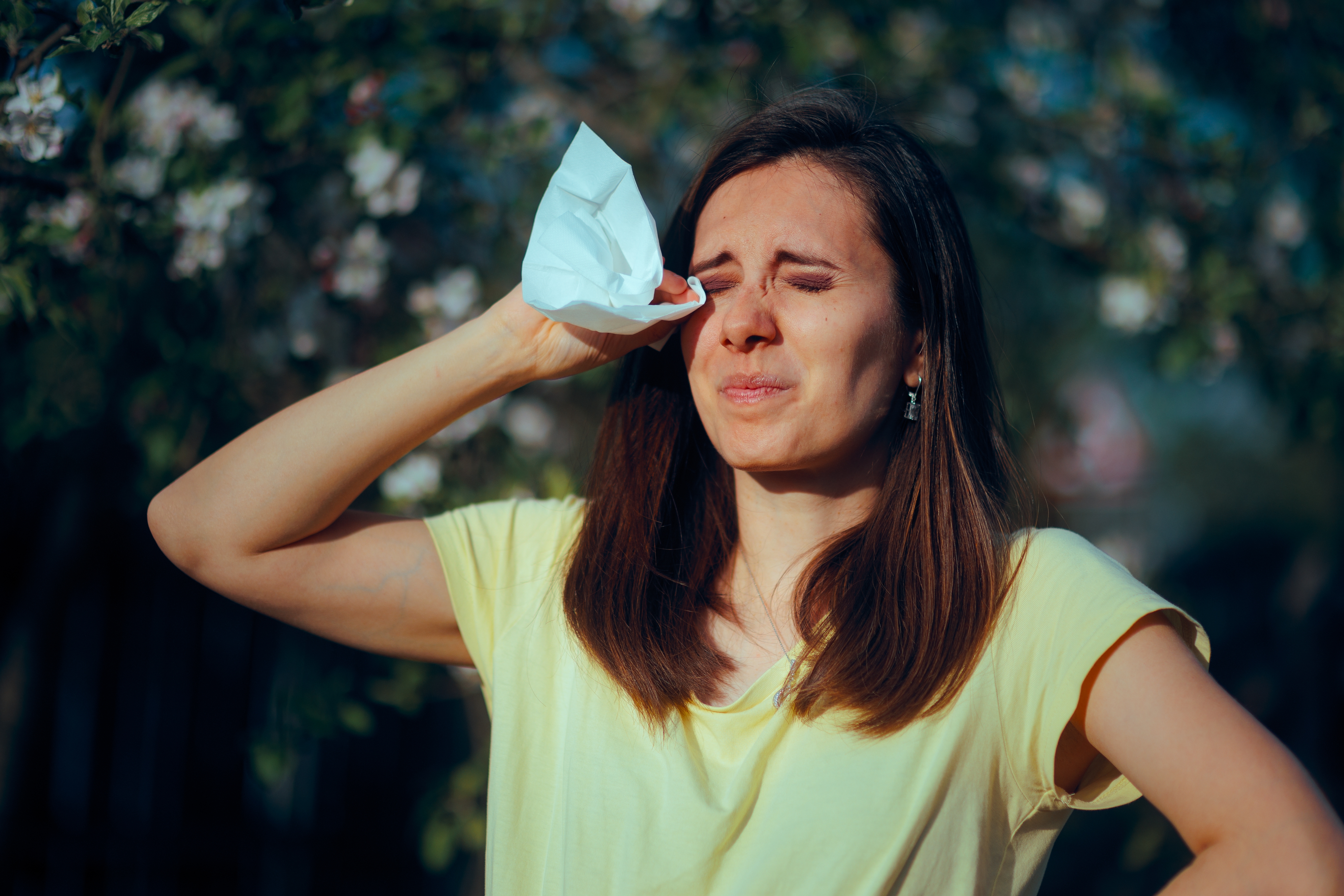
Red, watery, irritated eyes can be difficult to interpret during summer. Seasonal allergies may cause intense itching and tearing, while dry eye can create burning, grittiness, redness, and fluctuating vision. Some patients experience both at the same time, making symptoms alone unreliable for determining the cause. At Clarity Eye Care in Ridgewood, we use a detailed eye examination and advanced dry eye testing to identify what is contributing to chronic irritation and develop care around the underlying problem.
Why Summer Allergies Can Affect Your Eyes
Seasonal eye allergies occur when the immune system reacts to environmental allergens such as pollen, dust, or other airborne particles. Allergic conjunctivitis commonly causes itchy, red, watery, or swollen eyes. Clarity Eye Care notes that seasonal allergens can vary from person to person, so one patient may react strongly to pollen while another is more sensitive to dust or other irritants.
For Ridgewood patients, summer outdoor activities can increase exposure to airborne allergens. Itching tends to be an especially useful clue that allergies may be involved, although an examination is still important when symptoms are severe or persistent.
How Dry Eye Symptoms Can Look Similar
Dry eye develops when the eyes do not produce enough tears or when the tear film evaporates too quickly. Meibomian gland dysfunction, or MGD, is one common contributor. The meibomian glands produce oils that help keep tears from evaporating, and blocked or poorly functioning glands can leave the ocular surface unstable and irritated.
Dry eye symptoms may include burning, scratchiness, redness, blurred vision, eye fatigue, light sensitivity, and difficulty wearing contact lenses. Environmental factors such as wind, dry air, smoke, and prolonged screen use can also worsen symptoms.
Signs That Help Us Tell the Difference
Allergies and dry eye can overlap, so there is no single symptom that provides a complete diagnosis. However, certain patterns can help guide the evaluation:
- Intense itching may point more strongly toward seasonal allergies
- Burning, stinging, or gritty sensations are common with dry eye
- Watery eyes can occur with either condition
- Fluctuating or blurry vision may occur when the tear film is unstable
- Swollen eyelids can occur with allergic irritation
- Contact lens discomfort can become more noticeable with dry eye
- Symptoms that persist beyond allergy exposure may require a dedicated dry eye evaluation
Because both conditions can cause redness and watering, treating yourself based only on appearance may not address the real problem.
How We Diagnose Chronic Dry Eye in Ridgewood
At Clarity Eye Care, dry eye testing can go beyond a standard vision check. We begin by reviewing your symptoms, health history, medications, contact lens wear, and environmental triggers. A slit-lamp examination allows us to closely evaluate the cornea, eyelids, tear film, and surrounding structures.
Our advanced dry eye testing also includes TearLab, which measures tear osmolarity to provide information about tear film stability. InflammaDry detects elevated MMP-9, an inflammatory marker found in the tears, helping us evaluate whether inflammation is contributing to the condition.
Meibomian gland photography provides another important piece of information. By evaluating the structure of the oil-producing glands along the eyelids, we can identify signs of MGD and determine whether evaporative dry eye is contributing to recurring symptoms.
Why the Diagnosis Changes the Treatment
Allergic eye irritation and chronic dry eye require different treatment strategies. Allergy management may involve reducing allergen exposure and using appropriate doctor-recommended eye drops. Dry eye treatment depends on the underlying cause and may include lubricating or prescription drops, punctal plugs, lifestyle changes, or treatment directed at the meibomian glands.
Clarity Eye Care also offers advanced dry eye technologies including iLUX and Lumenis OptiLight IPL for appropriate patients, giving us additional options when gland dysfunction or inflammation requires more targeted care. If summer irritation in Ridgewood is becoming chronic or you are unsure whether allergies or severe dry eye are responsible, schedule an evaluation with Clarity Eye Care at 6044 Myrtle Ave, Ridgewood, NY 11385, or call (718) 456-1130 to identify the cause and find a treatment plan suited to your eyes.


Contact Info
Hours of Operation
- Monday 10:00 am – 6:30 pm
- Tuesday 10:00 am – 6:30 pm
- Wednesday 9:00 am – 5:30 pm
- Thursday 9:00 am – 5:30 pm
- Friday 10:00 am – 6:30 pm
- Saturday Call for Availability
- Sunday Call for Availability
© 2025 Clarity Eye Care. All rights Reserved. Accessibility Statement - Privacy Policy - Sitemap
Powered by:
